Mental Health Blog

Generalization of Skills

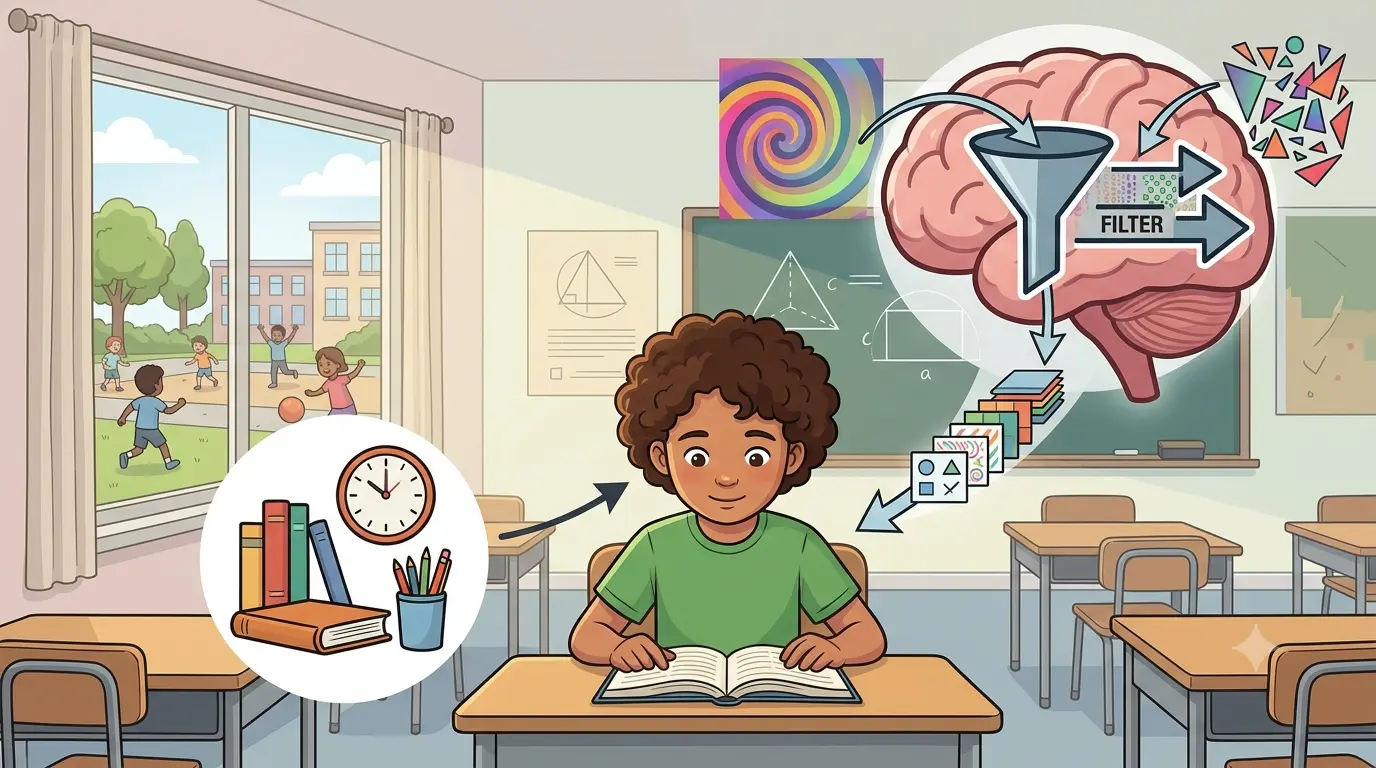
Collaborating with Schools: How to Ensure Carryover of Skills

Imagine this: your child has been practicing a new coping strategy for weeks deep breathing, asking for help, using a break card and at home, it works beautifully. But the moment they walk into school, it’s as if the skill disappears. Different environment.Different expectations.Different sensory load. It’s not that they forgot. It’s that the nervous system doesn’t automatically transfer skills

Read More »
Play Based Therapy

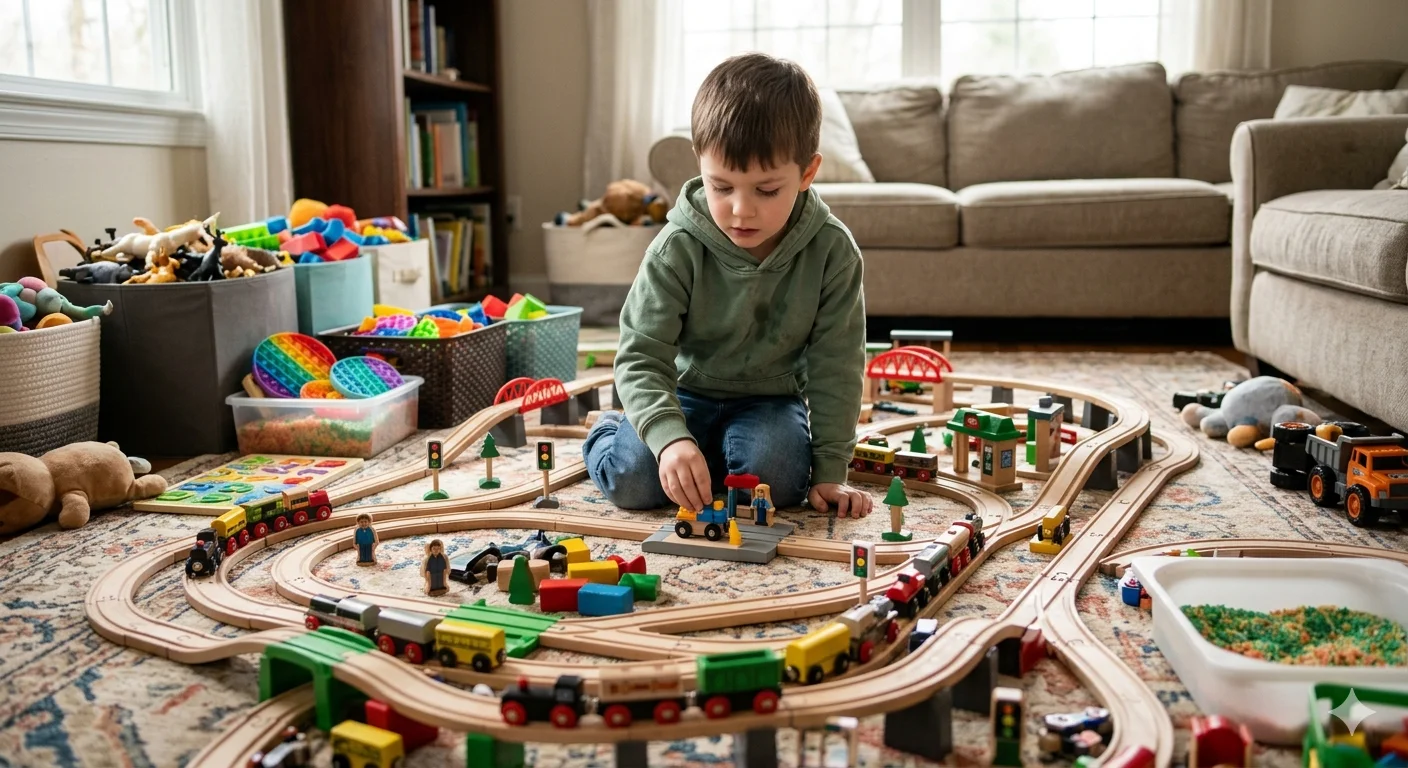
The Role of Play in Behavioral Growth: More Than Just Fun

Imagine your child lining up toy animals, assigning each one a personality, a voice, and a role in their tiny imagined world. Or maybe they’re building a blanket fort complete with rules, rituals, and a sign that says “Keep Out.” It may look simple. It may even look like “just fun.” But beneath the giggles and make-believe, something profound is

Read More »
child playing with counting toys

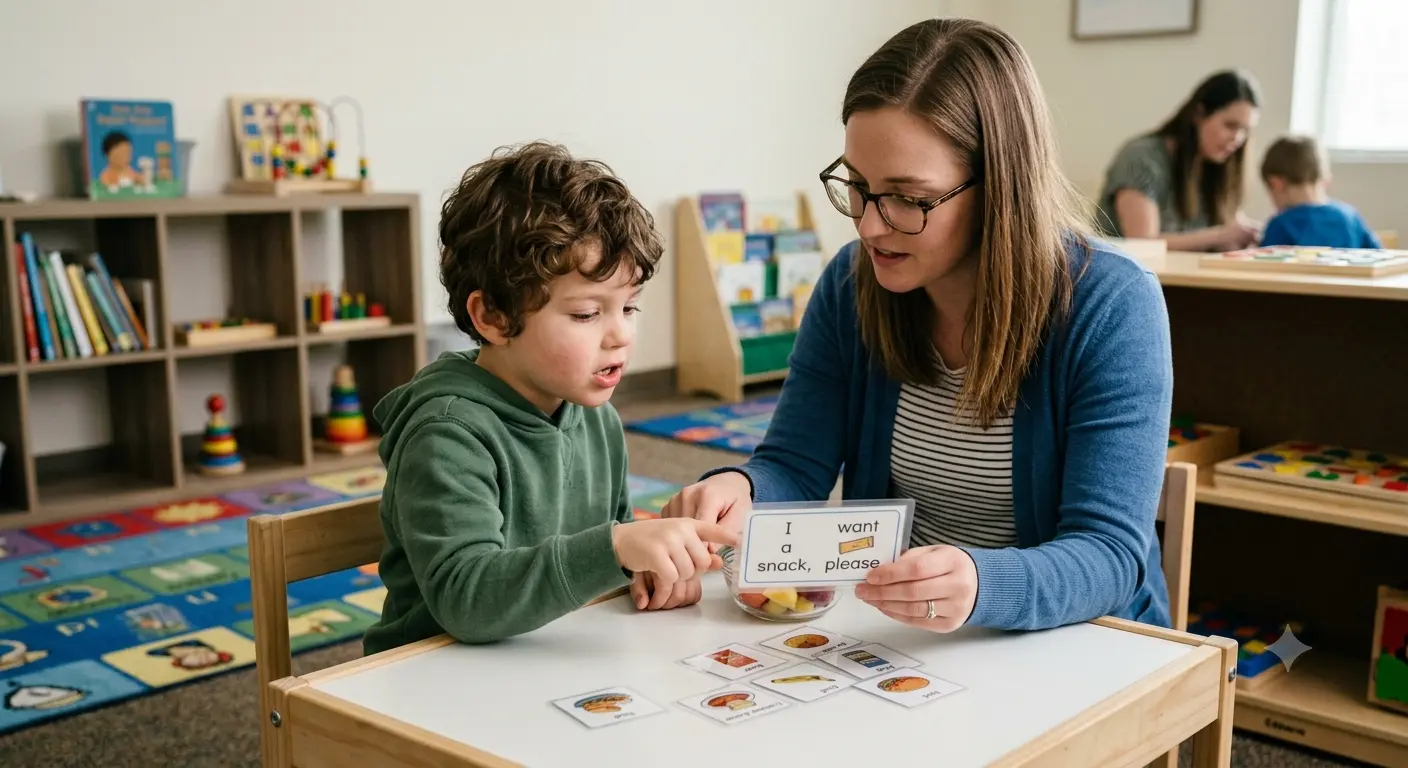
Bridging Behavior and Communication: Supporting Speech Delays with ABA

Picture this: your child wants something but can’t find the words.  Frustration builds, maybe there’s a cry, a stomp, or silence instead. For parents, these moments can feel heartbreaking you know your child has so much to say, but the words just won’t come. At Alma Behavioral, we see this moment not as a setback, but as an opportunity. Communication

Read More »
Kid Handling Wood Toys - Kids Morning Routine - ALMA

How to Make Transitions Easier (Morning, School, Bedtime) for Young Children

If you’ve ever tried to get a half-awake child dressed, fed, and out the door without losing your patience you know mornings can feel like an Olympic event. Between breakfast battles, missing shoes, and “five more minutes,” it’s no wonder so many parents feel frazzled before 8 a.m. The truth is, transitions are hard for kids.  Their brains thrive on

Read More »
Child Playing with Wooden Toys and Adult

Sensory Processing and Behavior: How Over OR Under-Stimulation Affects Kids

Imagine this: your child is running circles around the living room, shouting as if every sound in the world has suddenly turned up to max volume.  Or maybe the opposite they’re curled up under a blanket, hands pressed over their ears, shutting out everything. Neither moment means your child is being “difficult.” What you’re seeing might actually be how their

Read More »