
Do you ever wonder if there is a structured, research-backed way to help your child communicate better, reduce challenging behaviors, and build independence in daily life?
For many families in California, ABA therapy has become one of the most discussed and recommended approaches for developmental and behavioral support. But with so much information online, it can feel overwhelming to understand what ABA therapy really is, how it works, and whether it is right for your child.
This complete 2026 guide explains ABA therapy Services in simple language, backed by research, and written for both parents and professionals. You will learn how ABA therapy for autism works, what happens during sessions, how it is regulated in California, what it costs, and how to choose a qualified provider.
Let’s start with the basics.
What is ABA (Applied Behavior Analysis) Therapy?
ABA therapy, or Applied Behavior Analysis, is a science-based approach that helps people learn helpful behaviors and skills. It focuses on understanding how behavior works and how the environment influences actions. Using positive reinforcement, step-by-step teaching, and proven strategies, ABA therapy encourages positive behaviors while reducing challenging ones. It is commonly used to support individuals with autism and developmental differences, helping improve communication, social skills, learning ability, and everyday life skills.
ABA therapy is based on decades of research in learning theory and behavior science. It focuses on understanding:
• Why a behavior happens
• What triggers it
• What reinforces it
• How to teach new, functional skills
Modern ABA therapy services are individualized, data-driven, and supervised by trained professionals such as Board Certified Behavior Analysts, also called BCBAs.
The Science Behind ABA Therapy
Behavior does not occur randomly. It follows patterns. Research in behavior analysis indicates that behavior is affected by the environment. What follows before and after an action is often what determines if that action will occur again or not.
In simple terms:
- If something good follows a behavior, then it is more likely to occur again.
- If something neutral or no longer rewarding follows a behavior it may be reduced over time.
- This principle of learning is known as operant conditioning, and it has been researched for more than 70 years.
ABA therapy uses this science carefully and ethically to help children build communication, social, academic, and daily living skills.
Core Principles of ABA Therapy
Modern ABA therapy is built on five core principles:
- Positive reinforcement
- Individualized treatment planning
- Data collection and progress monitoring
- Skill-building focus
- Ethical and family centred practice
The goal is not on changing who a child is. The goal, however, is to teach useful skills that lead to an improved independence and quality of life.
Brief History of ABA Therapy
ABA therapy began gaining attention in the 1960s when researchers started applying behavioral science to support children with developmental differences.
Beginning Research and Development
Early models emphasized structured teaching sessions to a great extent. Some previous practices were too strict. Over the years the field developed considerably.
Current Research-Based Practices
Today’s ABA therapy services are more natural, play-based, and child-centered. Ethical standards are increased, and professional oversight has improved.
In 2026, ABA therapy was recognized as an evidence-based intervention by major health organizations, including the American Psychological Association.
How ABA Therapy Works
Understanding the ABC Model
ABA therapy uses something called the ABC model to understand behavior.
- A stands for Antecedent
- B stands for Behavior
- C stands for Consequence
Antecedent
This is what happens right before a behavior.
Example: A teacher says “It is time to clean up.”
Behavior
This is the action that occurs afterwards.
Example: The child screams or refuses to cooperate.
Consequence
This is what happens after the behavior.
Example: The teacher takes away the toys.
ABA therapy looks at patterns like this and teaches better replacement behaviors.
ABA Therapy Work in Real Life Example
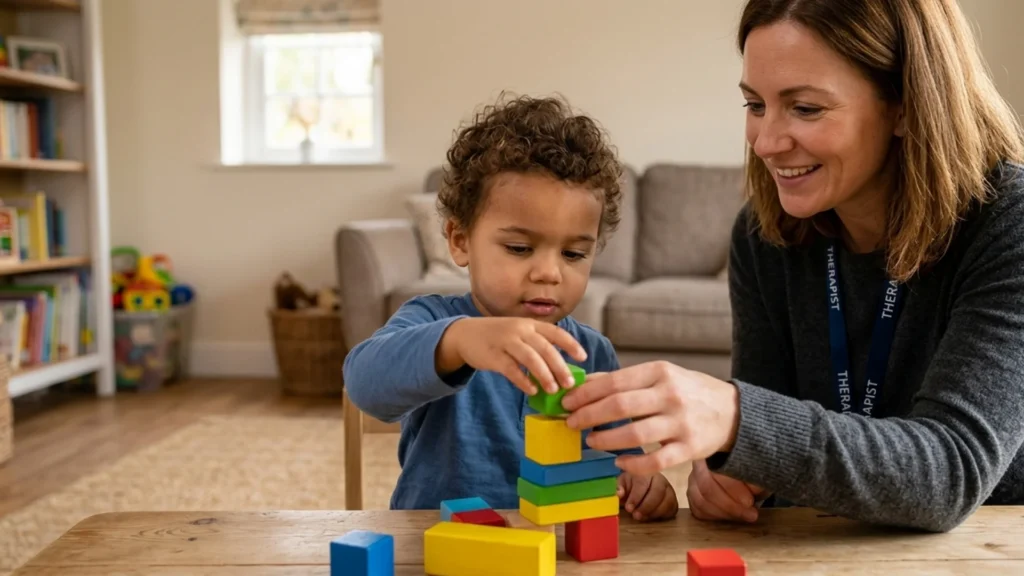
Example 1: Communication Replacement
Instead of screaming when it is time for a snack, a child is taught to say “Snack please” or use a picture card. When they use the correct communication, they get the snack.
Example 2: Transition Support
If a child struggles with moving from playtime to homework, ABA therapy may introduce visual schedules and reinforcement after completing tasks.
Example 3: Daily Routine Building
A child learning to brush teeth may be taught step-by-step with the use of task analysis and reinforcement for the completion of each step.
These ABA therapy examples show how skills are built gradually.
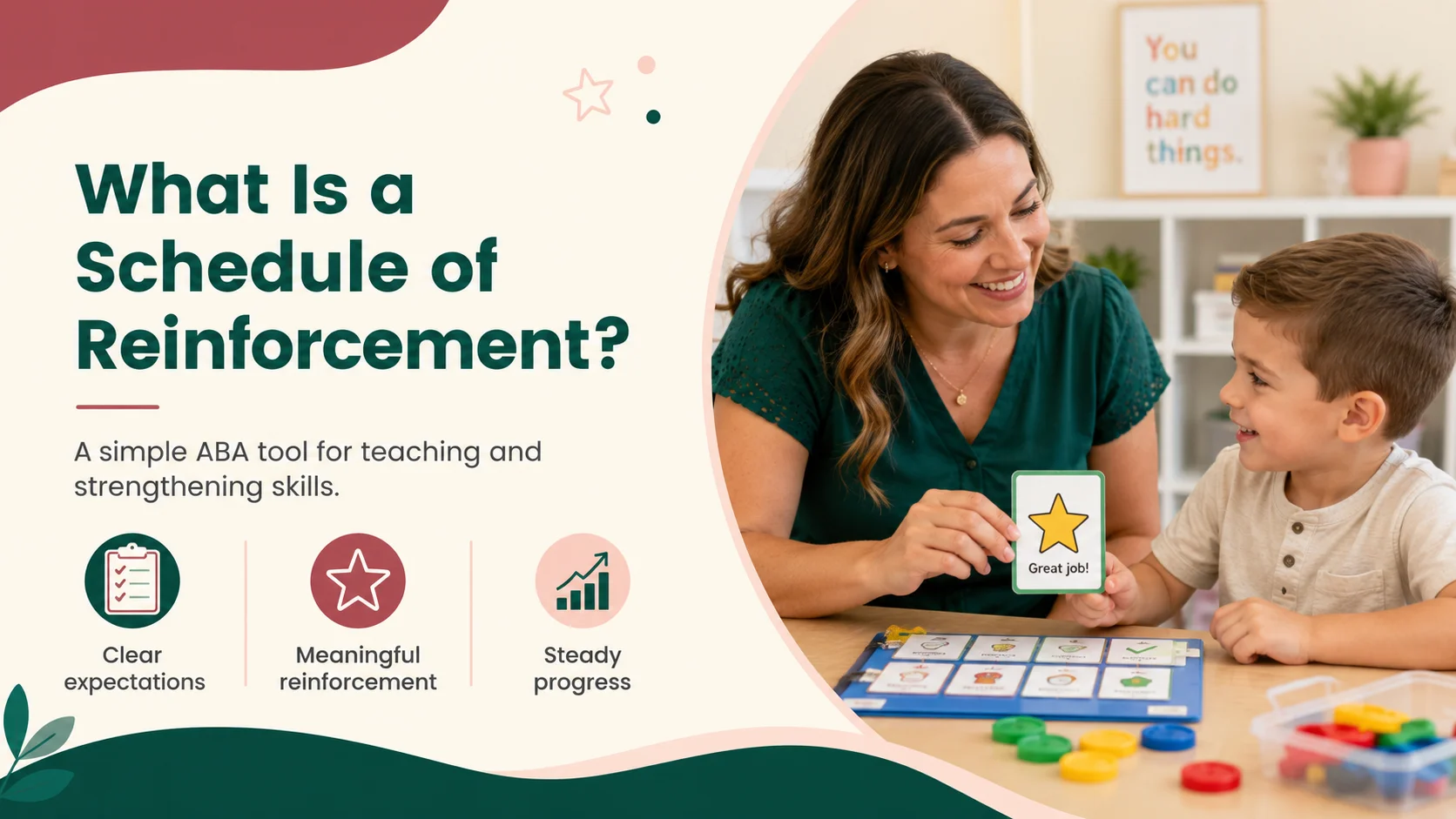
Positive Reinforcement Explained
Positive reinforcement is the heart of ABA therapy. When a child does something helpful, he or she gets something that is meaningful to them. This might be:
• Praise
• Extra playtime
• Access to a favorite toy
• A small reward
Research has consistently demonstrated that reinforcement will increase acquisition of a skill, when it is applied appropriately and consistently.
Data Collection and Progress Tracking
ABA therapy services rely on measurable outcomes. Every single session involves data collection. Therapists track:
• Frequency of behaviors
• Skill acquisition rates
• Progress toward goals
This data helps BCBAs adjust the treatment plan regularly.
Individualized Treatment Plans
No two children receive identical ABA therapy. Each program is based on:
• Assessment results
• Developmental level
• Family goals
• Strengths and preferences
This avoids the “one-size-fits-all” problem that is sometimes found with outdated models.
Who Can Benefit from ABA Therapy for Autism?
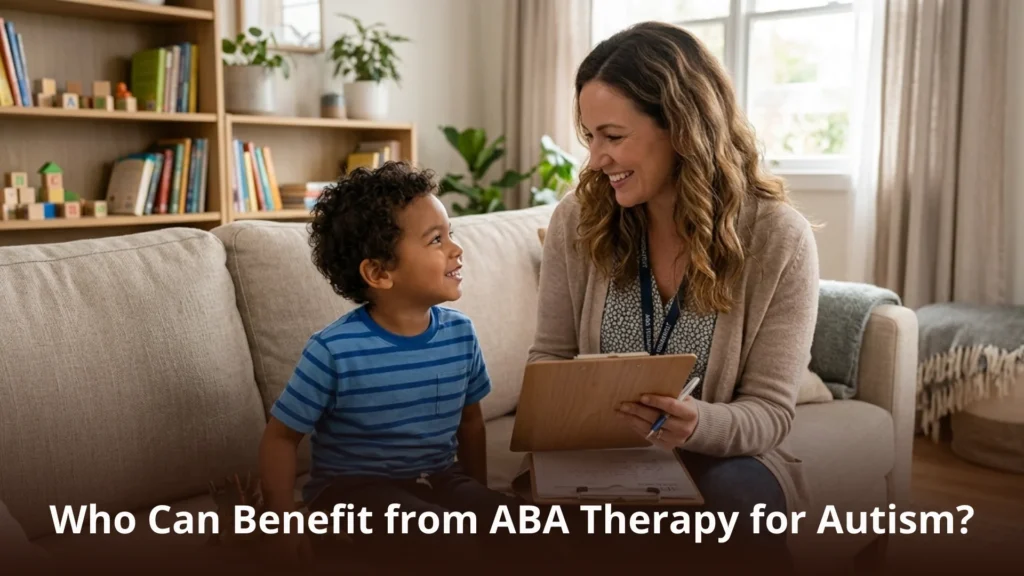
ABA Therapy for Autism Is Commonly Recommended
ABA therapy for autism focuses on building communication, social skills, and independence.
More than 20 long-term studies have shown that structured, intensive ABA therapy for autism can improve language, cognitive functioning, and adaptive skills in many children.
However, there are differences and therapy needs to be individualized.
Early Intervention Importance
Research shows that early intervention between ages 2 and 6 often leads to stronger long-term outcomes. Intensive programs might have 25 to 40 hours per week based on the clinical recommendation.
Skills Addressed in ABA Therapy for Autism
• Functional communication
• Emotional regulation
• Social interaction
• Self‑care skills
• Academic readiness
Is ABA Therapy Only for Autism?
No. While ABA therapy for autism is common, ABA therapy services can also support ADHD, developmental delays, and behavioral challenges.
Types of ABA Therapy Services
In-Home ABA Therapy Services
In‑home ABA therapy lets children receive services in the place where they feel safest. Sessions take place at home, and therefore skills can be practiced at mealtime, play, homework, and daily routines.
This model of ABA therapy supports:
• Real‑life skill application
• Strong parent training and involvement
• Natural behavior observation
Clinic-Based ABA Therapy
Clinic‑based ABA therapy takes place in a structured setting designed for focused learning. These environments often have therapy rooms, learning materials and supervised peer interactions.
Clinic ABA therapy services are ideal for:
• Social skills groups
• Intensive ABA therapy programs
• Peer based learning opportunities
School-Based ABA Programs
School‑based ABA therapy services involve collaboration between behavior analysts and educators. The aim is to facilitate academic success and classroom behavior.
This form of ABA therapy helps with:
• Classroom transitions
• Following instructions
• Peer interaction
• Attention and task completion
It ensures the generalization of skills from the therapy sessions to the real world in the academic setting.
Early Intensive Behavioral Intervention (EIBI)
Early Intensive Behavioral Intervention is a structured form of ABA therapy for autism typically recommended for young children. Programs are potentially more than just hours per week and focus on language, social and adaptive skills.
Natural Environment Teaching (NET)
Natural Environment Teaching is a play‑based ABA therapy approach where learning happens during everyday activities. Instead of hard-drives, skills are taught in real time.
For example, a child can be taught to ask for a toy while playing or have a conversation during snack time. This method makes ABA therapy services feel engaging and meaningful.
Techniques Used in ABA (Applied Behavior Analysis)
Discrete Trial Training (DTT)
Discrete Trial Training is a structured ABA therapy technique that teaches skills in small, clear steps. Each trial the stimulus includes an instruction, response and reinforcement.
DTT is often used in ABA therapy for autism to build foundational skills such as matching, labeling, and early communication.
Functional Behavior Assessment (FBA)
A Functional Behavior Assessment identifies the reason behind a behavior. In ABA therapy services, understanding the function of behavior helps professionals design effective intervention plans.
For example, a child may do something in order to get attention, avoid a task, or obtain something that is preferred. Addressing the cause helps to bring about better outcomes.
Prompting and Fading
Assistance is provided through prompting when teaching a new skill. Prompts can be verbal, visual or physical. Over time, therapists begin to fade away these prompts so that the child becomes independent.
Task Analysis and Chaining
Task analysis is used to divide complex skills into smaller steps. Chaining teaches such steps one at a time. For example, picking up the toothbrush, putting toothpaste on the brush, brushing, rinsing and cleaning up teeth might be broken into these four parts.
Shaping
Shaping commits to small improvements in the direction of a larger goal. Instead of expecting perfection, ABA therapy services reward gradual progress. This is an effective method to use when building communication or decreasing challenging behaviors.
Benefits of ABA Therapy Services
Communication Development
One of the strongest outcomes of ABA therapy for autism is improved communication. Children may learn to request needs, answer questions and have conversation through speech or alternative communication systems.
Social Skills Improvement
ABA therapy services help children practice turn‑taking, eye contact, cooperative play, and conversation skills. These improvements can increase friendships and peer relationships.
Academic Readiness
ABA therapy supports attention, listening skills, and task persistence. These skills are critical to school success and long term learning.
Daily Living Skills
ABA therapy helps build independence in dressing, hygiene, eating, and following routines. These life skills help to build confidence and to not be dependent on others.
Reduction of Harmful Behaviors
When behaviors interfere with safety or learning, ABA therapy addresses them using ethical, research‑based strategies. Instead of punishment, positive reinforcement and skill‑building are prioritized.
Why Choose ABA Therapy?
With many therapy options available, families often wonder if ABA therapy is the right fit. The answer is based on a child’s needs, goals and learning style. When delivered in an ethical and properly tailored way, ABA provides structured and measurable support leading to real life progress.
1. Evidence-Based Foundation
ABA therapy is rooted in decades of behavioral science research. Major health organizations have identified it as an evidence-based technique to increase communication, adaptive skills and behavior regulation.
2. Measurable Progress
Unlike informal approaches, ABA therapy tracks data. Progress is recorded on a per session basis and treatment plans can be adapted according to the objective results rather than guesswork.
3. Individualized Treatment Plans
No two children get the same kinds of programs. Goals are specific to developmental level, strengths, and family priorities and long-term outcomes of independence.
4. Real-World Skill Application
ABA focuses on such functional skills as requesting help, following routines, managing transitions, and social interaction. These skills become better skills in everyday life at home, at school and in the community.
5. Parent Collaboration
Families play an active role. Parent training teaches strategies that can be used throughout the day, reinforcing consistency and long‑term success.
6. Flexible Service Settings
ABA can be provided in the home, clinic or in schools. This flexibility fits the support to the environment and learning needs of the child.
7. Long-Term Independence Focus
The ultimate goal of ABA is more than short term behavior control. It is to promote greater independence, better communication and to participate in all aspects of daily life in a meaningful way.
How to Start ABA Therapy in California
Starting ABA therapy in California involves several steps.
Obtain a Diagnosis
Many insurance plans call for a formal diagnosis, typically by a pediatrician, psychologist, or developmental specialist.
Verify Insurance Coverage
Contact your insurance provider to see if ABA is covered. Ask about authorizations and providers that are approved.
Choose a Qualified Provider
Look for:
– BCBA supervision
– Fully transparent treatment planning
– Parent collaboration
– Clear progress tracking
Schedule an Intake Evaluation
An intake assessment is a process to determine recommended service hours and program structure. If you are exploring ABA therapy options in California, Alma Behavioral Solutions offers individualized services tailored to each child’s needs.
Cost of ABA Therapy in California
The cost of ABA therapy in California varies depending on provider experience, supervision level, and service intensity.
In 2026, average rates are:
• $120 to $200 per hour for BCBA supervision
• $50 to $100 per hour for RBT‑delivered ABA therapy services
However, most families depend not on paying privately, but on insurance coverage.
Insurance Coverage for ABA Therapy in California
California law requires many insurance plans to cover medically necessary ABA therapy for autism. Coverage information will vary according to specific plan and diagnosis needs. Families seeking ABA therapy services in California should verify benefits before starting treatment.
Medicaid and Government Programs
Medi‑Cal covers ABA therapy services for eligible children under 21 when prescribed as medically necessary. Regional centers may also help families negotiating developmental services.
Financial Assistance Options
Some ABA therapy providers in California offer payment plans or help families coordinate benefits through insurance and public programs. Discussing financial options early on can help to decrease that stress level and increase access to care.
Signs of Safe and Ethical ABA Therapy Services
When choosing ABA therapy services, safety and ethics should always come first. Modern ABA therapy in 2026 is centered on respect, dignity, and measurable progress.
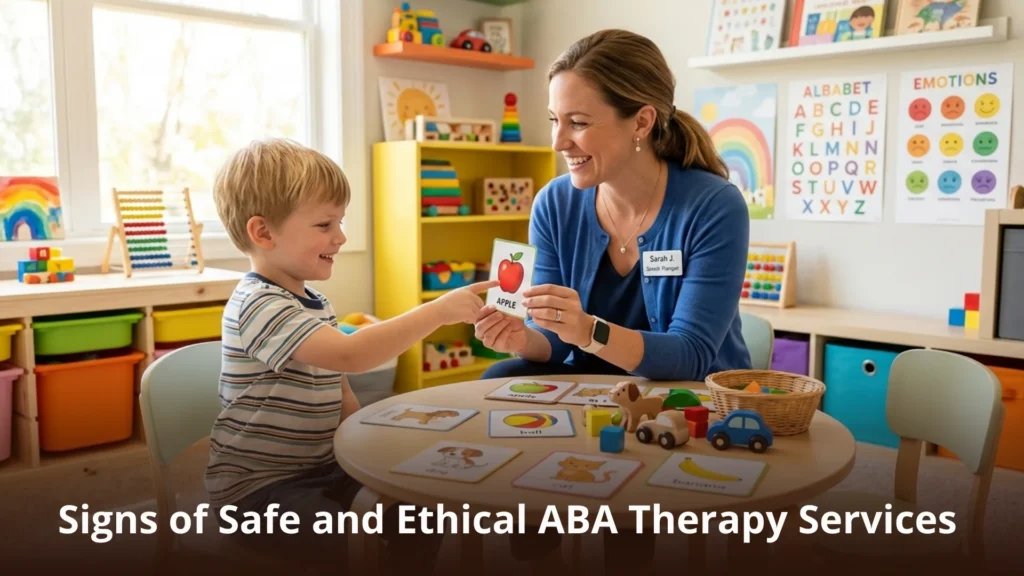
A safe ABA therapy program should include:
• Individualized treatment plans designed by a BCBA
• Clear goals based on your child’s strengths
• Positive reinforcement rather than punishment
• Ongoing data collection and transparency
• Parent involvement and training
Ethical ABA therapy for autism supports communication and independence without trying to “change” a child’s identity. Therapy should be supportive, structured and encouraging.
Red Flags to Watch For in ABA Therapy
Not all ABA therapy services meet ethical, evidence‑based standards.
- Using punishment instead of positive reinforcement.
- No individualized treatment plan created by a BCBA.
- Absence of measurable goals or consistent data tracking.
- Minimal Parent Involvement/Poor communication
- High staff turnover, with no proper supervision.
- Ignoring the emotional comfort or consent of a child indicates
- Refusal to explain how or what examples of ABA.
- None collaboration with schools / other professionals.
- Sessions which feel rigid and inflexible.
- No clear explanation as to how progress is reviewed
- Deterring parents from observing sessions.
- No emphasis of teaching replacement skills to challenging behavior.
- Overemphasis on complying instead of being independent.
- No written treatment goals and progress reports.
- Dismissing Parental Concerns about Intensity of Therapy
ABA Therapy Process Step by Step
Applied Behavioral Analysis Therapy helps children develop critical life skills through personalized treatment and positive reinforcement. It is one of the most widely researched, evidence-based therapies for children on the autism spectrum. Understanding how ABA therapy works from start to finish can make the process less overwhelming.
10.1 Initial Assessment
A Board-Certified Behavior Analyst (BCBA) conducts a comprehensive assessment. They may assess skills, conduct interviews with parents and make direct observations of the child. The intention is to know strengths, difficulties and development needs.
10.2 Goal Development
After the assessment, the BCBA creates measurable goals. They can be functional in communication, social interaction, behavior reduction or daily living skills.
10.3 Therapy Sessions
Trained Registered Behavior Technicians (RBTs) deliver the sessions while a BCBA supervises. Sessions include structured teaching, play based learning and real life practice.
10.4 Parent Training and Collaboration
Parents are essential partners in ABA therapy. They are taught strategies to aid in the development of skills at home.
10.5 Ongoing Data Review
Progress is reviewed on a regular basis. Treatment plans are adjusted depending on the data, so the therapy remains effective and individualistic.
Qualifications of Professionals in Applied Behavior Analysis
What Is a BCBA?
A Board Certified Behavior Analyst (BCBA) is a graduate‑level professional with a master’s or doctoral degree in behavior analysis, psychology, or a related field. In order to get certified, one is required to complete supervised clinical fieldwork and pass the national exam offered by the Behavior Analyst Certification Board.
BCBAs design individualized ABA programs, set measurable goals, analyze data, and supervise treatment. They also must acquire continuing education credits in order to stay certified and stay current with research.
Role of Registered Behavior Technicians (RBTs)
Registered Behavior Technicians work directly with clients under BCBA supervision. RBTs complete specialized training, pass a competency assessment, and undergo background checks.
They implement treatment plans, gather information on the treatment sessions, and help children practice specific skills. Ongoing supervision means quality, safety and consistency.
Licensing and Professional Standards in California
In California, the ABA providers must adhere to the state regulations and ethics. BCBAs must adhere to the BACB Ethics Code, which emphasizes client dignity, informed consent, and responsible treatment planning.
Families seeking ABA in California want credentials verified and questions regarding supervision structure asked, and active certification and professional compliance of providers must be confirmed.
Is ABA Therapy Effective? Research and Evidence
ABA therapy is widely recognized as an evidence‑based practice. More than 20 long‑term studies show that intensive ABA therapy for autism can improve language, intellectual functioning, and adaptive behavior for many children.
Results vary, however, according to:
– Early intervention timing
– Service intensity
– Individually learning profile
ABA therapy services work best when they are personalized and delivered ethically.
ABA Alternatives & Complementary Therapies
ABA therapy is often combined with other supportive therapies depending on a child’s needs. These complementary therapies can strengthen communication, emotional development, and daily living skills.
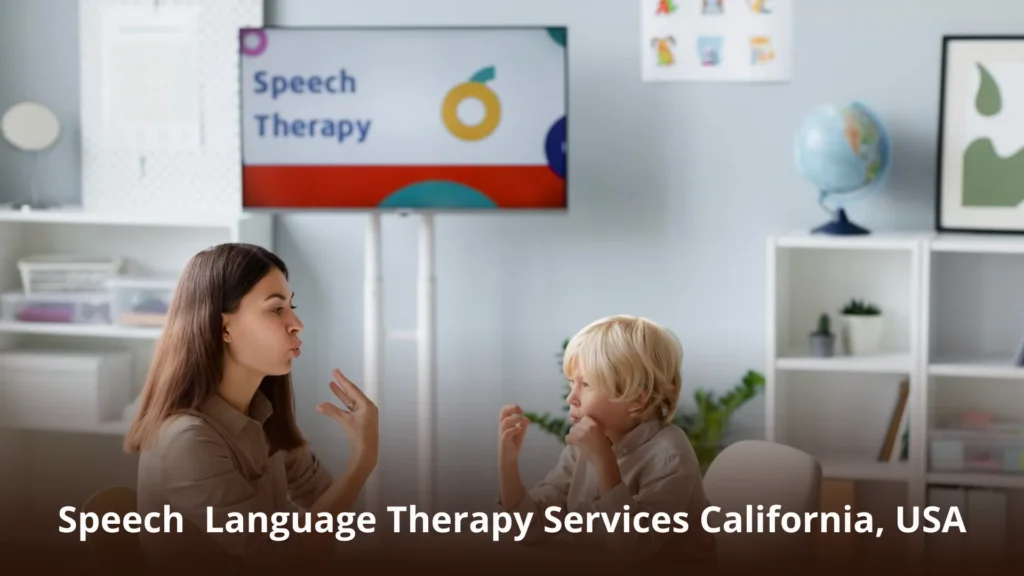
Speech Therapy: Speech therapy helps children improve communication, language understanding, pronunciation, and social interaction skills through guided exercises, play activities, and structured practice.
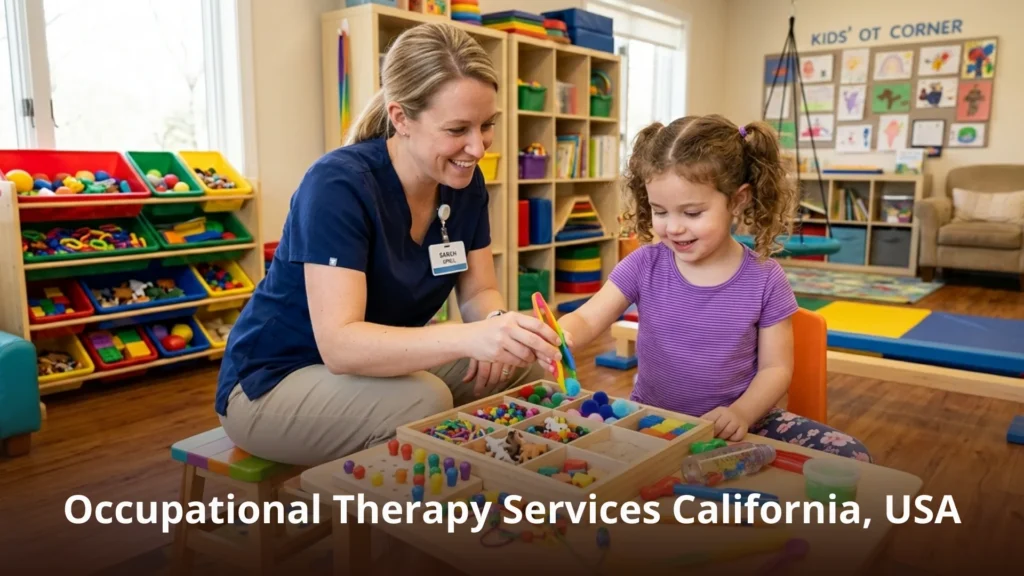
Occupational Therapy: Occupational therapy helps children develop motor coordination, sensory processing, and daily living skills such as dressing, writing, eating, and self-care independence.
Cognitive Behavioral Therapy (CBT): CBT teaches children how thoughts, emotions, and behaviors are interconnected, helping them manage anxiety, regulate emotions, and solve problems through guided conversations.
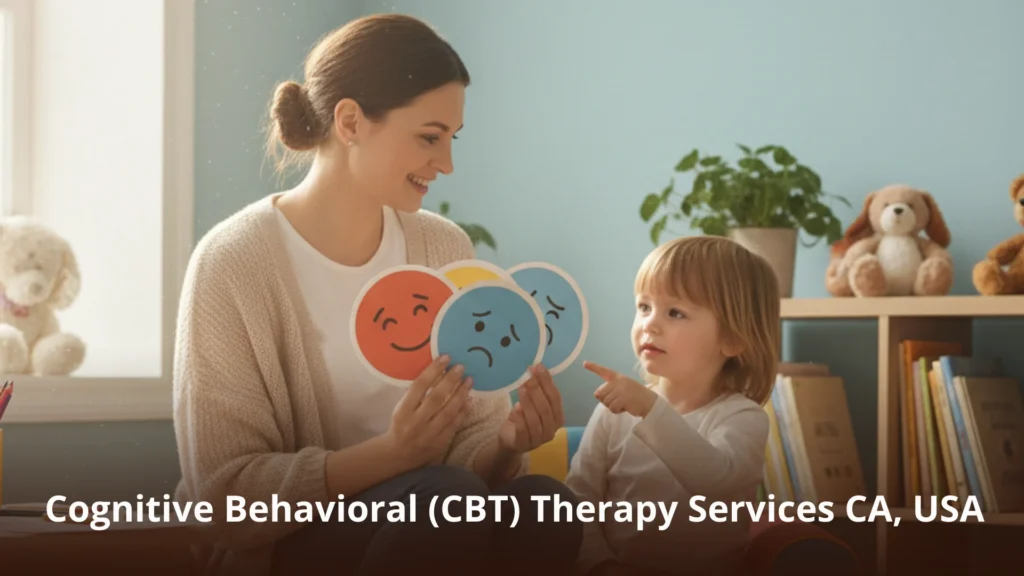
Play-Based Therapy: Play-based therapy uses games, toys, and creative activities to help children express emotions, develop social skills, and build confidence naturally.

Final Thoughts: Is ABA Therapy Right for Your Family?
ABA therapy is a structured, evidence‑based method that helps strengthen communication, boost independence, and foster healthy behavior. If your family is considering ABA therapy in California, learning how these services work can reduce uncertainty and help you make confident, informed decisions.
Success in ABA requires individualized plans, ethical practice and close collaboration between the professionals and the families. A high‑quality program is led by a qualified BCBA, staffed by trained personnel, and focused on measurable, meaningful progress that improves everyday life.
Every child is unique and support needs to reflect this individuality. If you want to learn more about ABA therapy in California or discuss whether it’s right for your child, Alma Behavioral Solution is ready to help.
Frequently Asked Questions About ABA Therapy
15.1 What is ABA therapy in simple terms?
ABA therapy is a science‑based approach that teaches useful skills and reduces harmful behaviors using positive reinforcement, structured learning, and regular progress monitoring.
15.2 Is ABA therapy only for autism?
No. While ABA is often used for autism, it can also be used to assist with problems with focus (ADH), developmental delays, behavior challenges and skills building at any age.
15.3 At what age should ABA therapy start?
Early intervention, usually between ages 2 and 6, leads to better long‑term outcomes. ABA can be used to help older children and adults.
15.4 How long does ABA therapy last?
Duration varies. Some children get several months of therapy while others require therapy that requires more time depending on individual goals and measurable progress.
15.5 Is ABA therapy covered by insurance in California?
Many California plans cover medically necessary ABA therapy for autism. Coverage is dependent on the policy, diagnosis documentation and authorization.
15.6 Can ABA therapy be done at home?
Yes. In-home ABA is very common and allows one to practice skills in familiar and comfortable environments.
15.7 How many hours per week are recommended?
Recommendations vary. Some children receive 10 to 15 hours per week; intensive programs may be receiving 25 or more clinically recommended hours.
15.8 How do I know if ABA therapy is working?
The progress should be measurable. Providers gather data, monitor behavior trends and review goals with the families while at scheduled supervision meetings.