
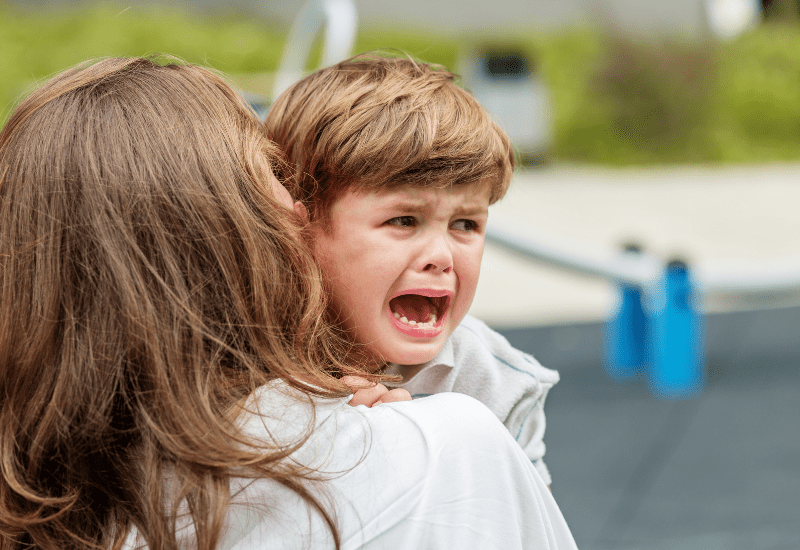
Imagine this: a new art class, a birthday party, or the first day of soccer practice. Other children run ahead excitedly — but your child freezes at the door, buries their face in your side, or whispers, “I don’t want to go.”
It’s not stubbornness.
It’s not a lack of interest.
It’s their nervous system saying, “This feels too big, too unfamiliar, too fast.”
Many children need more time, more predictability, and more emotional safety before stepping into something new. At Alma Behavioral, we see building confidence in kids as a gentle process — one rooted in relationship, pacing, and trust.
When we understand why a child shuts down, we can help them move forward at a pace that feels manageable, not overwhelming.
How do I boost my child’s confidence?
Boosting your child’s confidence begins with understanding their threshold for stress and novelty. Building confidence in kids isn’t about pushing them quickly into new situations — it’s about helping them feel safe enough to explore.
Here are some strategies we use at Alma Behavioral to support building confidence in kids:
1. Break tasks into smaller steps
Instead of “join the whole class,” start with watching for two minutes, then sitting near the group, then participating briefly.
2. Use previewing
Show pictures, describe what will happen, or visit the space ahead of time. Predictability reduces fear.
3. Co-regulate before you separate
Take a few deep breaths together, hold hands, or use a grounding phrase: “We’re going in together.”
4. Celebrate small efforts
Building confidence in kids is about strengthening effort, not perfection.
“I saw how brave you were to try one new thing.”
5. Give them a role
Helping carry equipment, handing out supplies, or choosing where to sit increases their sense of control.
6. Keep your own energy steady
Children read your tone. Calm, patient energy promotes building confidence in kids more than instructions ever could.
Confidence grows through safe experiences — not forced ones.
What causes lack of confidence in a child?
Lack of confidence often comes from internal and external factors. When we understand the cause, building confidence in kids becomes easier and more personalized.
Common contributors include:
1. Fear of the unfamiliar
New environments can feel unpredictable, especially for anxious, sensory-sensitive, or neurodivergent children.
2. Past negative experiences
A meltdown at a previous activity can lead to heightened avoidance next time.
3. Overwhelm or sensory overload
Loud, chaotic settings can make children shut down to protect their nervous system.
4. Perfectionism
Some children avoid trying because they fear “messing up.”
5. High expectations or comparison
Feeling less skilled than peers can quickly diminish confidence.
6. Communication challenges
If children can’t express their needs, they may withdraw instead.
Each of these factors influences building confidence in kids, especially when parents unintentionally push too quickly. The goal is not to eliminate challenge — it’s to titrate it gently.
What are the 3 C’s of self-esteem?
The 3 C’s help parents understand the foundation of building confidence in kids:
1. Competence
“Can I do it?”
Kids build competence through experiences where success feels possible — not overwhelming.
2. Connection
“Do I feel supported?”
Children gain confidence when they know a trusted adult is present, patient, and attuned.
3. Control
“Do I have choices?”
Even small choices (what color marker, where to sit, which activity to start with) strengthen internal confidence.
The 3 C’s are essential for building confidence in kids because they focus on emotional safety, capability, and autonomy — the core pillars of resilience.
How to build confidence in a highly sensitive child?
Highly sensitive children experience the world more intensely — louder sounds, stronger emotions, deeper worries. Building confidence in kids with high sensitivity requires gentleness, pacing, and a deep respect for their nervous system.
Here’s how we support this at Alma Behavioral:
1. Lower the intensity, not the expectation
Instead of skipping new experiences entirely, modify them. Shorter visits, smaller groups, quieter spaces.
2. Practice in low-pressure environments
Role-play at home, rehearse transitions, or explore activities in familiar spaces first.
3. Use sensory supports
Noise-cancelling headphones, fidgets, weighted items, or predictable seating can make new settings feel safer.
4. Validate their feelings
“I know this is new and new things can feel big. I’m here with you.”
Validation is a core ingredient in building confidence in kids who are highly sensitive.
5. Celebrate small exposures
One step forward is still progress. Confidence grows gradually, not all at once.
6. Avoid rushing
Sensitive children shut down when pressured. Slow pacing is essential for building confidence in kids who process the world with heightened awareness.
At Alma Behavioral, we see sensitivity as a strength — not a barrier. When children learn to trust their environment and the adults guiding them, confidence follows naturally.
Bringing It All Together
Shutting down during new activities doesn’t mean your child is unconfident — it means they need support, predictability, and gentle pacing.
Building confidence in kids is a process rooted in emotional safety, not pressure. When we shift from “Why won’t you try?” to “How can I help this feel safe for you?” everything changes.
At Alma Behavioral, we support families in building confidence in kids through nervous-system-attuned strategies, gradual exposures, and deep empathy for each child’s unique needs.
Confidence isn’t something we force — it’s something we build together, step by gentle step.
Because when new experiences feel safe, children don’t just participate — they grow, thrive, and believe in themselves.